 MK
MK  PT
PT  ES
ES  IT
IT  EN
EN 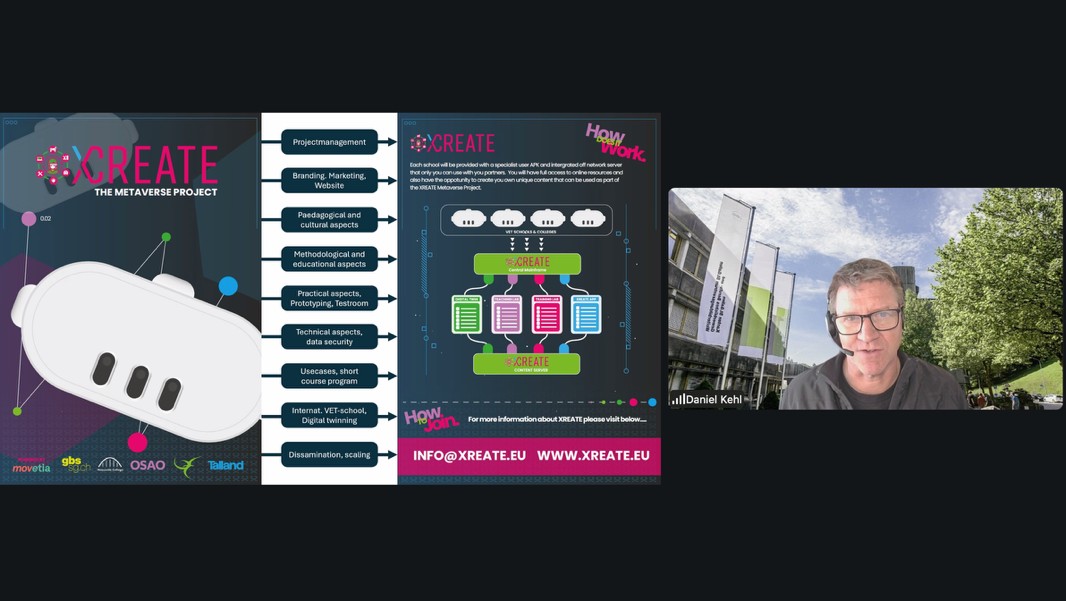
Laboratories and training institutions across Europe face growing challenges in developing sustainable and effective digital transformation strategies.
26.03.2026
A shared challenge across Europe
The digital transformation of laboratories and vocational education and training (VET) centres is advancing across Europe, but many organisations still face significant challenges in turning technological ambition into reality. This was one of the main conclusions emerging from the European Focus Group organised by EfVET and EUROLAB within the framework of the Lab of the Future project.
Bringing together laboratory professionals, trainers, researchers and European stakeholders, the event explored how digitalisation can support more sustainable, efficient and inclusive learning and working environments. Participants agreed that technology should not be viewed as an isolated objective, but as part of a broader strategy that combines innovation, sustainability and human-centred development.
From paperless laboratories to virtual learning environments
The discussion showcased examples of digital practices already being implemented across Europe. Representatives from the laboratory sector highlighted solutions such as paperless workflows, digital approvals, secure data sharing and smart technologies that improve efficiency while reducing environmental impact.
At the same time, participants from the VET sector presented the growing potential of immersive technologies. Virtual and augmented reality, as well as digital twins of learning environments, are creating new opportunities for collaborative, personalised and inclusive learning experiences across borders.
Digital ambition meets practical barriers
Despite these advances, many laboratories and training centres still consider themselves to be at an early stage of digital maturity. While tools such as ERP systems, Laboratory Information Management Systems (LIMS), artificial intelligence applications and electronic records are becoming increasingly common, comprehensive digitalisation strategies remain the exception rather than the rule.
Participants identified several recurring obstacles, including limited funding, skills shortages, infrastructure constraints, interoperability challenges and resistance to organisational change. Addressing these barriers will require long-term planning, investment in training and the adoption of accessible and user-friendly solutions.
Keeping people at the centre of transformation
A recurring message throughout the debate was that digitalisation must remain focused on people. Technology should support educators, learners and laboratory professionals rather than create additional complexity. Participants also highlighted the crucial role of European programmes, particularly Erasmus+, in providing the resources, partnerships and policy support needed to accelerate digital transformation.
The findings gathered during the Focus Group will contribute to the next stages of the Lab of the Future project, including the development of a European Qualifications Framework for digital laboratory technicians and the establishment of a European Digitalisation Working Group.
Find out more about the Lab of the Future project:
LinkedIn: https://www.linkedin.com/company/lab-of-the-future-eu/
Instagram: https://www.instagram.com/labofthefutureeu/